WASHINGTON -- The Iraqi general in charge of the liaison between Baghdad and U.N. weapons inspectors looking for weapons of mass destruction has been captured, Pentagon officials said Sunday.
Gen. Hossam Mohammed Amin, who headed the National Monitoring Directorate, was No. 49 on the Pentagon's list of 55 most-wanted Iraqis and the 13th to be taken into custody. His image appeared on the six of clubs in the deck of cards issued to coalition troops.
The monitoring directorate worked with U.N. weapons inspectors looking for chemical, biological or nuclear weapons outlawed by U.N. resolutions after the 1991 Persian Gulf War.
Amin's capture comes as a fresh report surfaced Sunday about possible chemical weapons found by U.S. troops in northern Iraq, though further tests need to be carried out to the substances.
Three preliminary tests, which experts say can be unreliable, of chemicals found in barrels at a former Iraqi military position suggested the presence of two U.N.-banned weapons -- a nerve agent and a blister agent, a U.S. Army officer told CNN on Sunday.
The material was found near a mobile laboratory that soldiers said could have been used to mix chemicals.
Other suspicious chemicals initially reported by some members of the news media as weapons of mass destruction have, on later testing, turned out to be pesticides or other industrial chemicals.



Ultimi Articoli

Strapazzami di coccole Topo Gigio il Musical: una fiaba che parla al cuore

Goldoni al Teatro San Babila di Milano con La Locandiera

Ceresio in Giallo chiude con 637 opere: giallo, thriller e noir dall'Italia all'estero

Milano celebra Leonardo — al Castello Sforzesco tre iniziative speciali per le Olimpiadi 2026

Trasporto ferroviario lombardo: 780.000 corse e 205 milioni di passeggeri nel 2025

Piazza Missori accoglie la Tenda Gialla – Tre giorni di volontariato under zero con i Ministri di Scientology
Neve in pianura tra venerdì 23 e domenica 25 gennaio — cosa è realmente atteso al Nord Italia

Se ne va Valentino, l'ultimo imperatore della moda mondiale
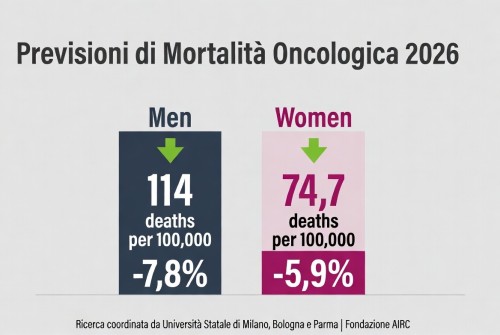
La mortalità per cancro cala in Europa – tassi in diminuzione nel 2026, ma persistono disparità