Da oggi in Triennale sono aperte tre nuove mostre: I quaderni di Giancarlo De Carlo 1966 - 2005 presenta l’archivio privato di una delle figure più rappresentative della cultura del progetto; Chaosmos, prima mostra personale dell’architetto Francesca Torzo, apre la serie dedicata ai nomi più innovativi della scena contemporanea e Tra gli spazi racconta la figura eclettica dell’artista Corrado Levi attraverso una selezione dei suoi lavori più rappresentativi realizzati tra il 1982 e il 2020.
In concomitanza con la giornata di apertura della mostra I quaderni di Giancarlo De Carlo 1966 - 2005, Comune di Milano e Triennale Milano hanno omaggiato uno dei più straordinari esponenti italiani della cultura internazionale del progetto intitolandogli il Giardino di Triennale. Sono intervenuti alla cerimonia Filippo Del Corno, assessore alla Cultura Comune di Milano, Stefano Boeri, Presidente Triennale Milano, Isabella Inti, architetto e Presidente Stecca 3, e Anna De Carlo, Archivio Giancarlo De Carlo.
I quaderni di Giancarlo De Carlo 1966 - 2005
Curated by Gatto Tonin Architetti Exhibition Design: Parasite 2.0 Artistic direction: Lorenza Baroncelli
24 January - 29 March 2020
On the occasion of the centenary of his birth, Triennale Milano presents "I quaderni di Giancarlo De Carlo" (The Notebooks of Giancarlo De Carlo), the first exhibition in a series dedicated to the most representative figures in the design world.
The exhibition "I quaderni di Giancarlo De Carlo" (1919-2005) about the architect, urban planner, architectural theorist and Italian academic - never before shown to the public - takes the form of a diary, which the Maestro began to keep in a systematic way, from 1966, on the occasion of his first trip to the USA, up to 2005. In this case, however, the term “diary” is inappropriate, since the work consists of 16 notebooks, kept and transcribed by his daughter Anna De Carlo. They are a truly private archive, compiled over 39 years, with great care given to the texts and graphics.
The exhibition offers a cross section of the themes dealt with in the annotations of Giancarlo De Carlo's notebooks, including his personal reflections, travel reports, notes on design and his relationships with friends and colleagues. It highlights the matching correspondence between De Carlo's private archive and public archives, his study archive, kept at the IUAV University of Venice, as well as the Spazio & Società magazine, Progetto Kalhesa and publications for Il Saggiatore and ILAUD (International Laboratory of Architecture and Urban Design.
Page after page, the unmistakable traits of De Carlo's calligraphy, sketches, his choice and use of different writing media, his obsessive use of collage and pop up give rise to a truly graphic project, which is given plenty of space in this exhibition.
On a large shelf that extends along the walls of the display space, some of his original notebooks and a selection of extracts are presented, accompanied by visual notes and materials from the archives. A collection of reproductions of the most interesting pages are presented as a publication available to the public. In addition, passages taken from his notebooks are recited aloud live from a location, at regular intervals.
In the middle of the room, the "Salotto di Casa Sichirollo" - created by De Carlo for himself and his friends, Livio and Sonia Sichirollo, in Romanino near Urbino in the late 1960s - is re-evoked, stylized and transformed. It becomes a dynamic display media creating a space with versatile modular seating, ideal for exploiting the material on display and able to accommodate meetings and lectures.
The exhibition aims to present a great Maestro of architecture to a wide audience, not only to professionals in the sector, using his own words:
“When I went to Roquebrune years ago to see the study that Le Corbusier had created in the small hotel where he spent his holidays, I was mainly impressed by the yellowed photographs and newspaper clippings that the hotelier had stuck on the walls of the entrance. You could see the legendary character, renowned for his pride and brazen arrogance, playing cards or bowls with the humble village folk, sitting at a table in the sun drinking a lemonade, and coming out of the sea - with bandy legs and slightly drooping hips - drying himself in the sun. He had become humane and it was clear that he had often been pleasant because he was profoundly good. Goodness, after all, requires a great deal of rigour and it can therefore be inconsistent and sometimes - for those who cannot carry the weight - bad". (Letter from Giancarlo De Carlo to Lica Steiner, Milan 28 February 1986)
Ultimi Articoli
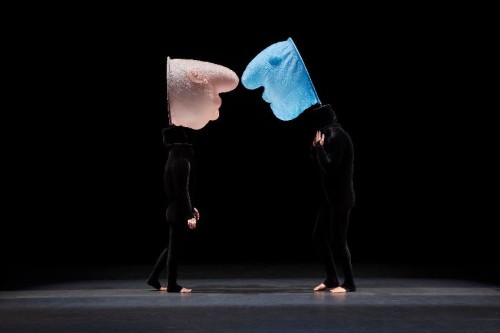
Mummenschanz: 50 anni di poesia silenziosa in scena al Teatro Menotti di Milano
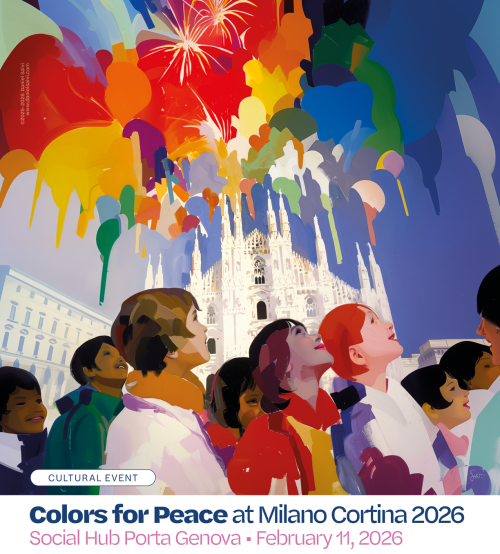
Milano — I colori dei bambini per la pace a Milano Cortina 2026

Amazon sotto la lente del Garante Privacy — Telecamere, dati e diritti nei magazzini italiani

Ma il vishing è storia vera? Prefisso +34 e chiamate dall’estero — Attenti, la vostra voce può diventare un clone

Alexia torna a Città del Messico — confermata alla line-up di EDC Mexico 2026

Milano Cortina 2026 — Una rete diffusa di media centre porta i Giochi nel territorio

SOMBR — esce il singolo ''Homewrecker'' mentre parte il tour sold-out europeo con tappa a Milano
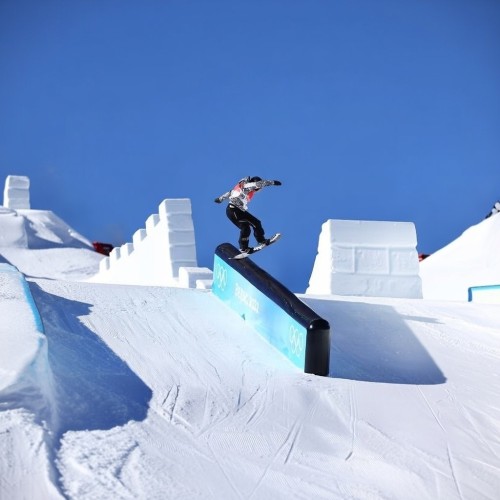
Fan Village Milano Cortina 2026 aprono al pubblico — dove e come partecipare
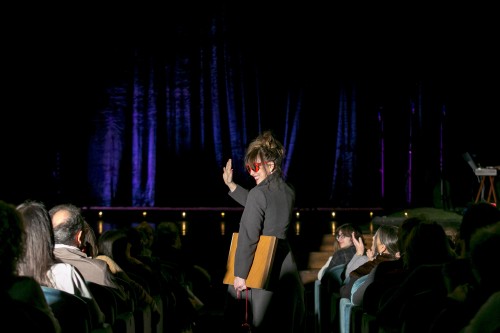
FORTE e CHIARA al Teatro Carcano di Milano